


What Is Light Design for Home and Why Is It Important?
Light design for home refers to the thoughtful planning and implementation of different lighting elements to enhance the aesthetics, safety, and functionality of a space. Proper lighting not only highlights architectural features but also affects mood and ambiance. Understanding how to integrate various light sources effectively can lead to an environment that is both inviting and practical.
The Role of Light in Home Design
Light plays a crucial role in defining spaces. Here are some key points to consider:
- Functional Lighting: Essential for everyday tasks like cooking, reading, or working.
- Aesthetic Lighting: Adds beauty and character to spaces, enhancing décor.
- Safety: Well-lit areas reduce hazards, particularly on staircases. Explore more about home stairs light design to ensure your stairways are illuminated.
How to Choose the Right Lighting for Each Room
The selection of lighting should cater to the unique needs of each room in your home. Here’s a breakdown of ideal lighting solutions for common spaces:
Living Room
Combine ambient, task, and accent lighting to create a cozy atmosphere. Consider:
- Overhead chandeliers or pendant lights for general illumination.
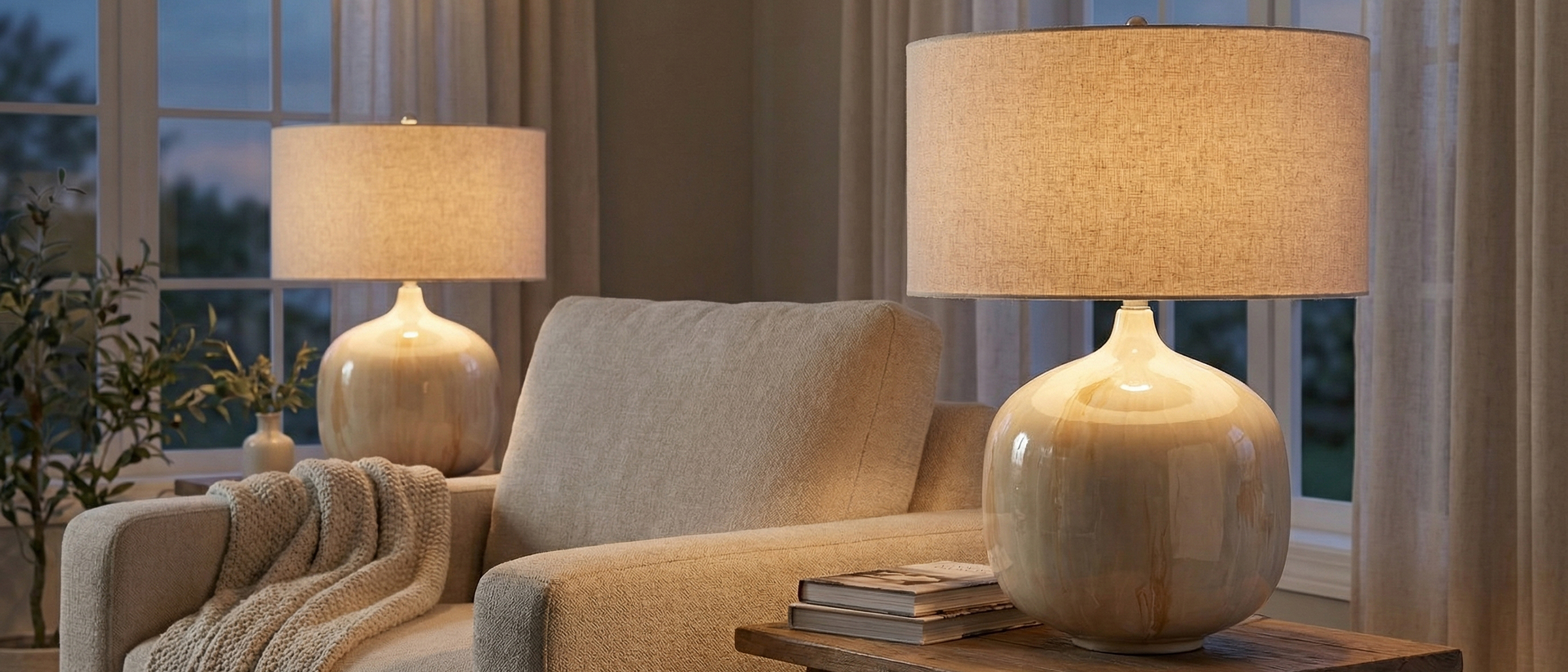
- Table lamps for reading areas.
- Wall sconces to highlight artwork or architectural features.
Kitchen
Task lighting is critical in kitchens where functionality is paramount. Effective solutions include:
- Under-cabinet lighting to illuminate counter spaces.
- Pendant lights above islands for dedicated work areas.
Bedroom
In bedrooms, soft lighting creates a relaxing environment. Suggestions include:
- Dimmer switches to control brightness.
- Bedside lamps paired with accent lighting for reading.
Types of Lighting Fixtures to Consider in Light Design for Home
Your choice of fixtures can significantly impact the overall design. Familiarize yourself with the following types:
- Ceiling Fixtures: Chandeliers and ceiling-mounted lights for broad illumination.
- Table and Floor Lamps: Versatile options for flexibility in lighting.
- Track Lighting: Adjustable lighting that can highlight specific areas or items.
How to Optimize Home Design Daylight Lighting for a Brighter Home
Maximizing natural light in your home is an effective way to save energy and enhance your environment. Here are several strategies:
- Use mirrors to reflect light and make rooms appear larger.
- Select light-colored curtains or blinds that allow sunlight to filter through.
- Position furniture carefully to avoid blocking windows.
For more detailed insights into maximizing daylight, check out our article on home design daylight lighting.
Creating Ambiance: Tips for Designing Lights at Home
Designing lights at home requires an understanding of how different lighting types interact to create ambiance. Techniques include:
- Layering lights: Combine ambient, task, and accent to achieve depth.
- Using color temperature wisely: Warmer tones create coziness, while cooler tones promote alertness.
FAQs About Light Design for Home
What are the key elements of effective light design for a home?
The key elements include functional lighting, aesthetic appeal, safety, and energy efficiency. Each lighting type must work harmoniously with the design intent of the room.
How do I determine the right brightness for different rooms?
Consider the room’s purpose. Living areas may require softer light, while kitchens and workspaces need brighter, more functional lighting.
Can I mix different lighting styles?
Yes, mixing styles can create an interesting visual effect. Just ensure that all pieces complement each other, contributing to a cohesive design.
Conclusion: Your Path to Effective Home Lighting Design
Light design for home is an essential aspect of interior design that can influence both the practicality and the ambiance of your living spaces. By understanding the right types of lighting and how to implement them, you can create environments that are safe and inviting. Explore more on design lights for home online shopping to find fixtures that suit your design needs. Additionally, don’t forget to enhance your spaces with insights from the home hardware design centre lighting guide for optimal results.