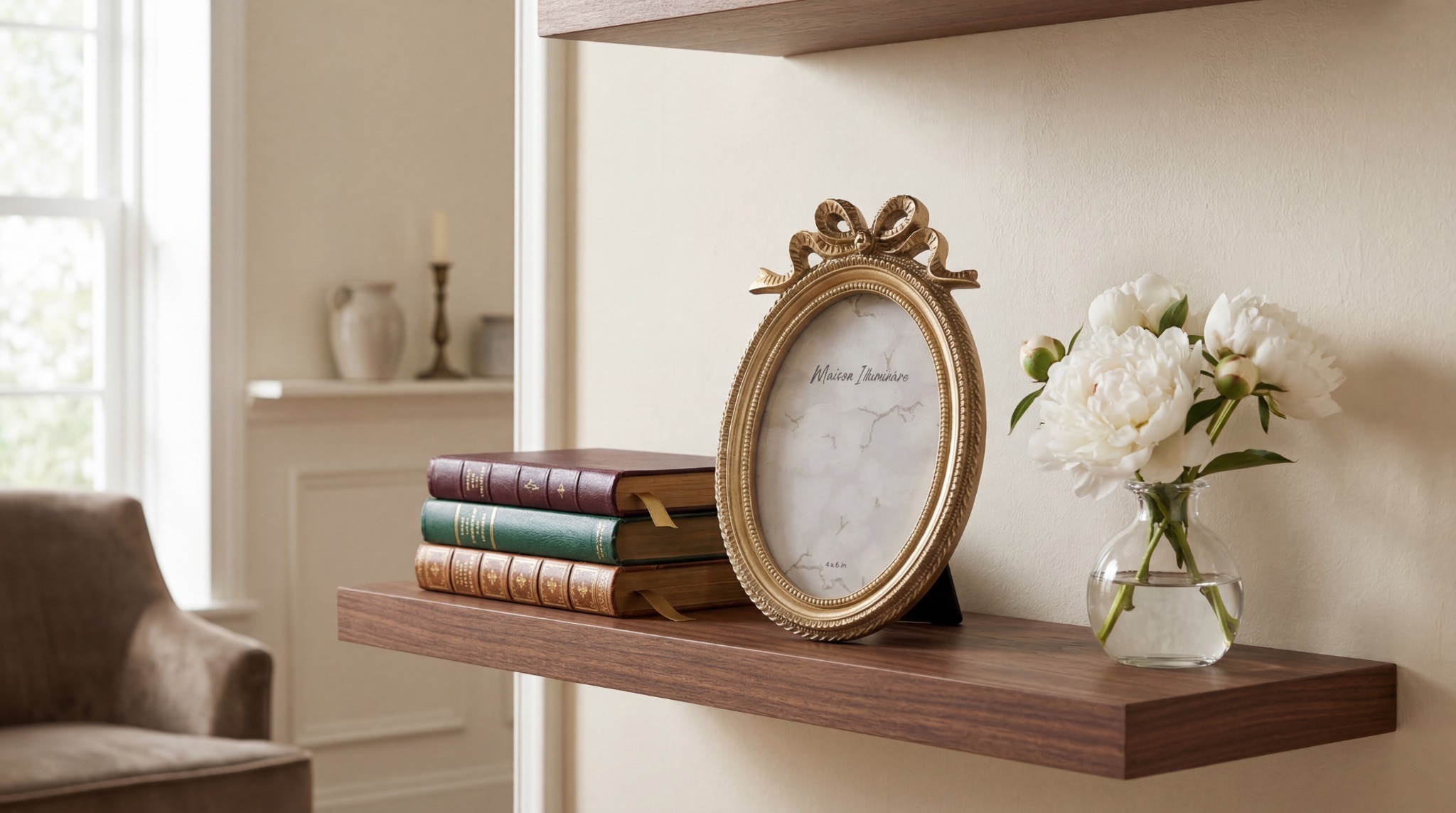
Most people don't struggle with taste. They struggle with commitment.
You’ve probably saved hundreds of inspiration photos by now. Yet your actual living room still feels incomplete. That gap between what you love online and what works in your space is exactly where most people get stuck.
It’s also why learning “how to find my home decor style” remains one of the most searched design questions today.
What actually helps is building a clear framework that filters every choice through your lifestyle, your preferences, and pieces from Sagebrook Home that actually fit your vision.
Key Takeaways
- Start by collecting inspiration and looking for patterns in the images, colors, and textures you gravitate toward consistently.
- Study the major interior decorating styles so you can put a name to the look you already love.
- Choose one dominant style, then layer in one or two secondary influences for a space that feels personal rather than formulaic.
- Use this home decor styles guide to build a consistent color palette, select key decor elements, and place furniture with intention so every room feels cohesive.
- The best decor style is the one that reflects how you actually live, not just what looks good in a photo.
Why Finding Your Home Decor Style Matters
A defined style turns decorating from random purchases into a focused process. When you know what you’re drawn to, every store visit and every catalog scroll becomes easier because you already have a filter.
As a result, you stop second-guessing and stop filling rooms with pieces that almost work.
Beyond that, a consistent direction makes your space feel more polished and intentional. According to the Interior Design Institute, establishing a visual direction before choosing individual pieces is the most effective way to maintain cohesion.
There's a financial benefit too. Impulse buys driven by trends or sale prices tend to be the first things you donate. A clear style protects your budget by helping you invest only in what truly belongs.
Signs You Haven't Found Your Decor Style Yet
If your rooms feel "off" despite having nice individual pieces, that's a clear signal. You likely haven't explored enough interior decorating styles to define a cohesive direction yet.
Here are the most common signs:
- Your rooms feel cluttered with items that don't match in tone, material, or era.
- You frequently swap out decor because new pieces feel wrong once they're home.
- Shopping for furniture or paint feels stressful because you have no frame of reference.
- You call your style "eclectic" only because the mix happened by accident.
Start With Inspiration and Visual Ideas
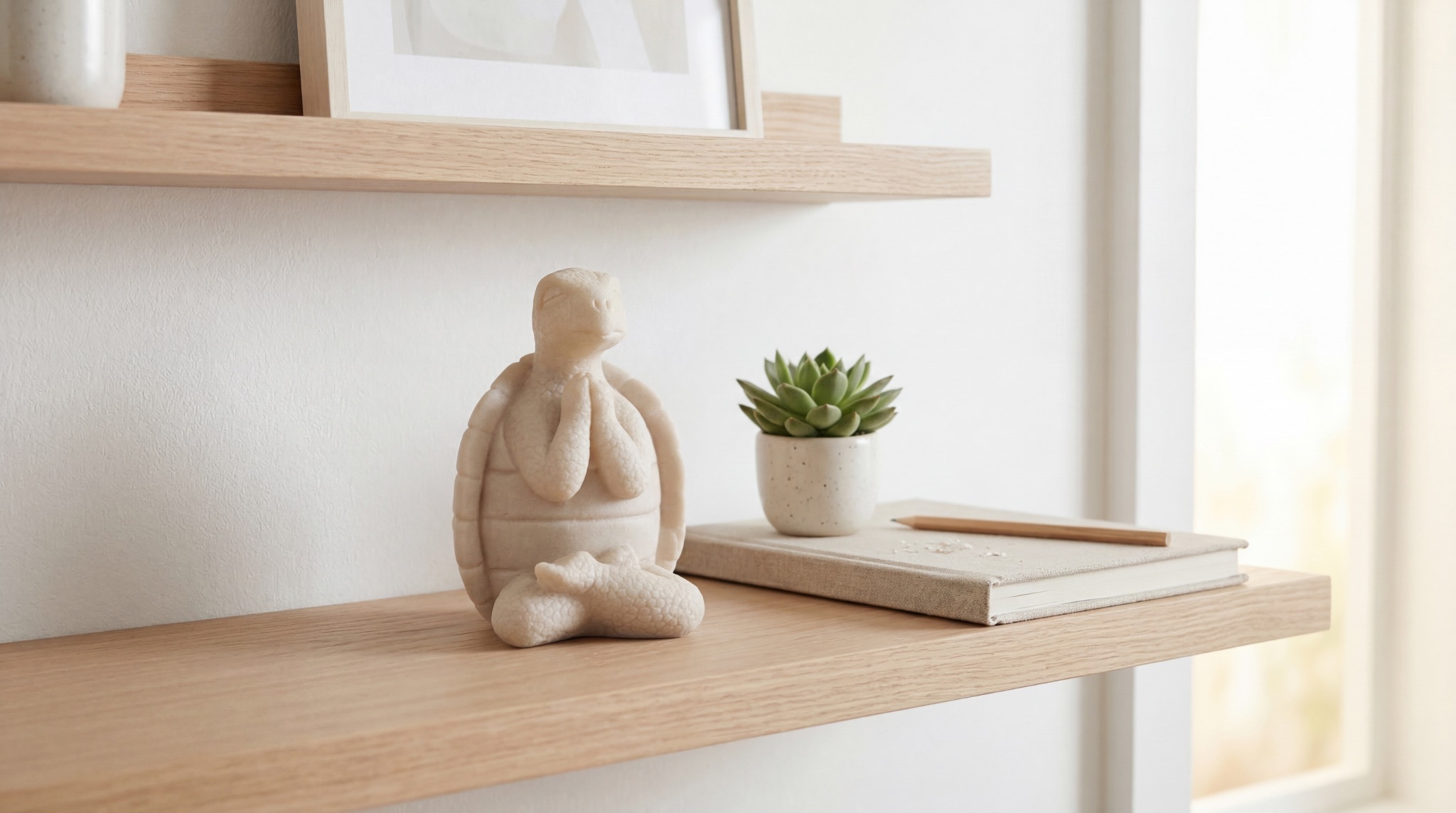
Begin by saving every room image that gives you an instinctive “yes.” Don’t overthink it. Just collect 30 to 50 images on Pinterest or your phone, then step back and look for patterns.
You'll likely notice recurring themes. Maybe you gravitate toward warm neutrals with natural wood. Or maybe you keep saving rooms with bold color and layered textures. Those patterns are your taste revealing itself.
From there, organize your favorites into a mood board. This step helps you establish a clear visual direction before buying anything, which keeps your choices consistent and your budget protected.
Understand the Most Popular Home Decor Styles
Once you've identified your patterns, the next step is putting a name to them.
Learning how to choose a home decor style starts with understanding the major styles so you can describe what you already like. Most homes blend two or three, and that's perfectly fine. What matters is combining them with intention rather than by accident.
Modern Decor Style
Modern decor draws from mid-century design principles: clean lines, simple silhouettes, and function over ornamentation.
You'll find neutral palettes anchored in white, gray, and black, with warm accents in wood or leather. Surfaces tend to be smooth, uncluttered, and deliberately minimal. As the V&A's Modernism collection explains, this movement was rooted in a rejection of decoration and a belief that design could transform everyday living.
If you're drawn to rooms that feel open, organized, and quietly sophisticated, modern style is likely part of your design DNA.
Contemporary Decor Style
Contemporary is often confused with modern, but there's a meaningful distinction.
Modern refers to a specific design era. Contemporary reflects what's happening right now. ifIt evolves with current trends, absorbing influences from other interior decorating styles depending on what the design world is gravitating toward at any given moment.
You'll recognize it by neutral tones mixed with bold accent colors, statement lighting, and sculptural furniture. It's dynamic, current, and adaptable.
Minimalist Style
Minimalism takes the modern ethos further. Clean spaces, simple furniture, and a strict limitation on decorative items define the approach. Every object in a minimalist room earns its place by being either functional or deeply meaningful.
If visual clutter stresses you out and you find peace in open, airy spaces with just a few carefully chosen pieces, this one speaks your language.
Farmhouse Style
Farmhouse style is warm, approachable, and rooted in comfort.
Inspired by rustic country homes, it leans on wood furniture, soft neutral tones, shiplap textures, and cozy textiles like chunky knit throws and linen curtains.
There's a lived-in quality that makes these spaces feel welcoming the moment you walk in.
This style works especially well for families because it prioritizes durability and comfort alongside beauty. Nothing feels too precious to touch.
Industrial Style
Industrial style borrows its character from converted warehouses and loft apartments. You'll notice metal, exposed brick, concrete, and darker palettes that create spaces feeling raw, urban, and architecturally honest.
You might gravitate toward this if you:
- Appreciate the beauty of unfinished surfaces
- Enjoy mixing metal and wood textures
- Prefer spaces that feel grounded in something real rather than staged
Bohemian Style
Bohemian decor is the most expressive style on this list.
It's relaxed, colorful, layered, and deeply personal. Think patterned rugs, macrame wall hangings, an abundance of plants, collected textiles, and a sense of creative chaos that somehow feels completely cohesive.
The bohemian aesthetic is driven by travel, storytelling, and a love of global design influences. It's for you if you see your home as a living gallery of your experiences.
Traditional Style
Traditional decor is rooted in classic European design: symmetrical layouts, elegant furniture with curved legs and rich upholstery, and a refined palette built around deep blues, greens, burgundies, and warm neutrals. Details like crown molding, wainscoting, and patterned wallpaper reinforce a sense of heritage.
If you find yourself drawn to rooms that feel stately, well-ordered, and timeless rather than trendy, this is a strong match for your instincts.
Scandinavian Style
Scandinavian design prioritizes light, simplicity, and warmth.
Light wood tones, white walls, soft textiles, and a deliberate lack of excess define the look. Functionality sits at the core of every decision, yet it's delivered with such care that it never feels cold.
This style resonates with you if you value comfort and calm above all else. A Scandinavian room feels like a deep breath.
Identify Your Personal Preferences
Your decor style is already showing up in how you dress, where you travel, and which spaces make you feel most at ease. To sharpen that instinct, ask yourself:
- Do you prefer warm tones or cool tones?
- Are you drawn to smooth surfaces or rough, organic textures?
- Do your favorite spaces feel open and airy, or cozy and intimate?
- What materials feel like home: wood, metal, stone, or fabric?
Your lifestyle matters just as much. Young kids at home means durable, forgiving furniture.
A remote work setup means functional zones that balance focus with comfort. These realities shape your style alongside your aesthetic preferences.
Analyze Your Current Furniture and Decor
Before you buy anything new, walk through your home and notice which pieces genuinely make you happy. That one lamp, that throw blanket, that piece of art you still pause at. Those are signals.
From there, sort everything into three categories:
- Keep: Pieces that align with the style direction you're building.
- Update: Items with good bones that just need a new arrangement or accent.
- Replace: Things you tolerate rather than love.
This exercise alone can save you hundreds by revealing how much of your future style already exists in what you own.
Choose a Color Palette That Reflects Your Style
Color sets the emotional tone of a room before you even notice the furniture.
Research published in Frontiers in Psychology found that interior color significantly influences mood, with cool tones promoting calm and warm tones encouraging energy.
Start with a neutral base, then let your accent colors show your personality. A muted sage says something very different from a deep navy or saturated terracotta. Trust what makes you feel comfortable over any trend report.
Most importantly, keep your palette cohesive from room to room. Individual spaces can have their own character, but they should still feel like they belong in the same home.
Mix Styles Carefully for a Unique Look
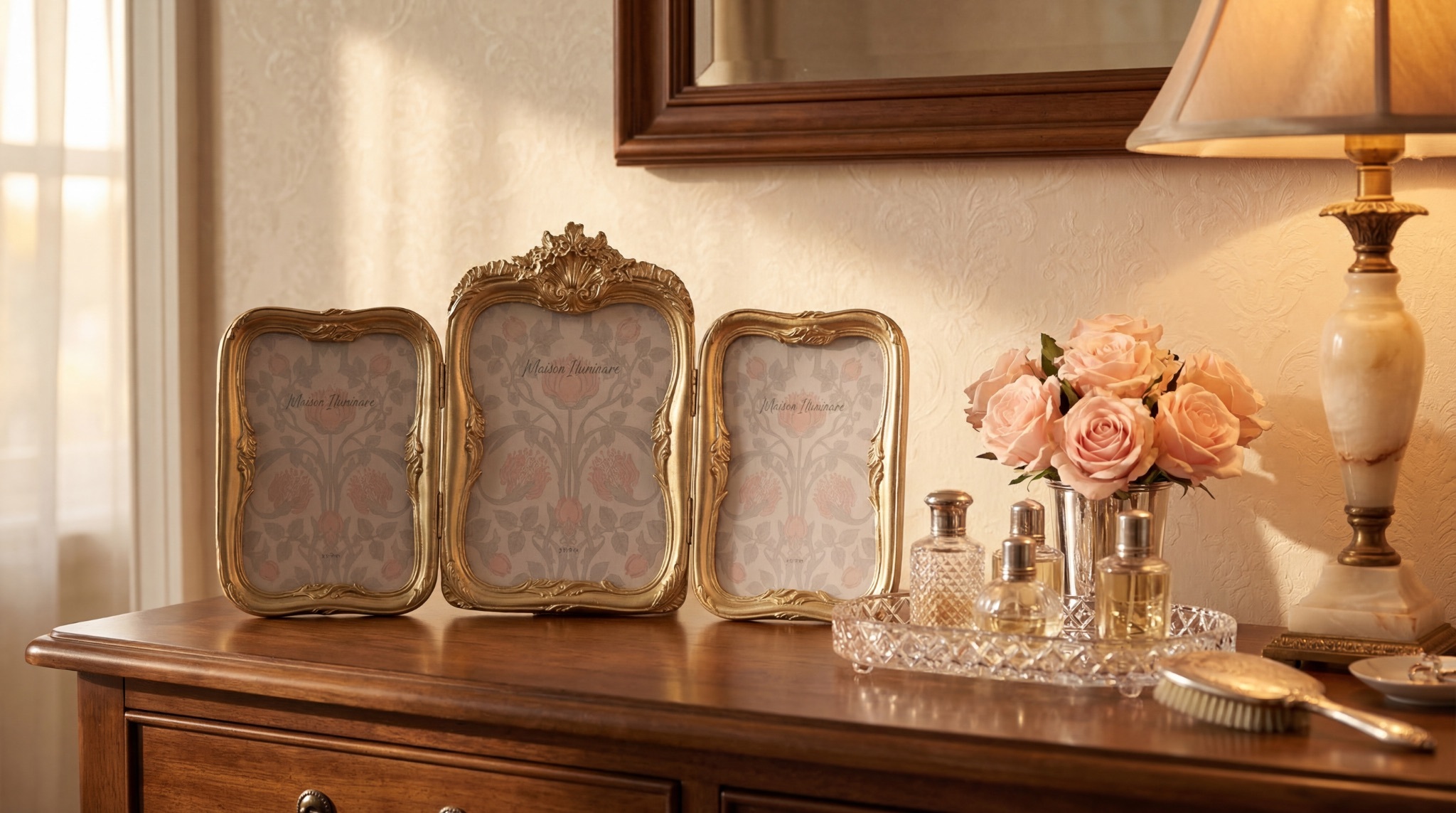
The most personal spaces blend influences. The key is doing it with intention. Here's a reliable framework:
- Let one dominant style account for about 70 to 80% of your choices.
- Add a secondary style through accent pieces, textiles, and lighting for contrast.
- Keep your color palette unified even when styles vary, because color is what ties everything together visually.
For example, a Scandinavian foundation with bohemian accents like a woven wall hanging and layered rug feels intentional rather than scattered. Structure first, then warmth.
Focus on Key Decor Elements That Define a Style
Four categories carry the most weight in defining your room’s aesthetic: furniture sets the scale, lighting establishes mood, wall art introduces personality, and accessories layer in the finishing texture.
Of these, accessories are where your style becomes tangible. Vases, sculptures, trays, and decorative objects add the depth that makes a room feel complete. Browsing a curated collection like Sagebrook Home's decor range shows how intentional accent pieces pull an entire space together.
Then pay attention to texture. A room of smooth, polished surfaces reads very differently from one layered with linen, wood grain, and matte ceramics. Texture is what gives your style dimension beyond a photograph.
Create a Cohesive Look Room by Room
Cohesion doesn’t mean every room looks the same. It means there’s a visual thread connecting them.
The simplest way to create this is by carrying at least two modern design elements throughout your home. That could be a shared accent metal like brass, a repeating wood tone, or a fabric texture like linen that appears across different spaces.
Each room should still have its own personality. Your bedroom can lean softer while your living room stays more structured. The connection between them is a common thread, not a copy-paste approach.
How Professional Designers Define a Home Aesthetic
Professional designers follow a process you can adapt at home. They start by studying lifestyle needs, room architecture, natural light, and daily flow. These realities shape every decision that follows.
Then they establish a design direction before shopping. They build a palette, define the style, and set a mood first. This is the step most homeowners skip, and it's the one that makes the biggest difference.
Finally, designers complete a room's last layer with intentional finishing pieces. Choosing the right wall art and sculptural decor is often what elevates a space from furnished to designed.
Upgrade Your Home Style With Thoughtful Decor
Decorative accents are the most intentional additions to any room.
You choose them purely because they add something, not because you need them. That's why vases, lighting, wall art, and sculptures communicate your taste more clearly than anything else.
Think of accessories as adjectives. Your furniture is the structure, and your accents describe it. A ceramic vase on a console, a textured sculpture on a shelf. These details tell your story.
The strongest pieces balance what's current with what lasts. Pairing your vision with boutique accessories and statement decor keeps your space feeling fresh without requiring a full redesign.
So What Does Your Home Say About You?
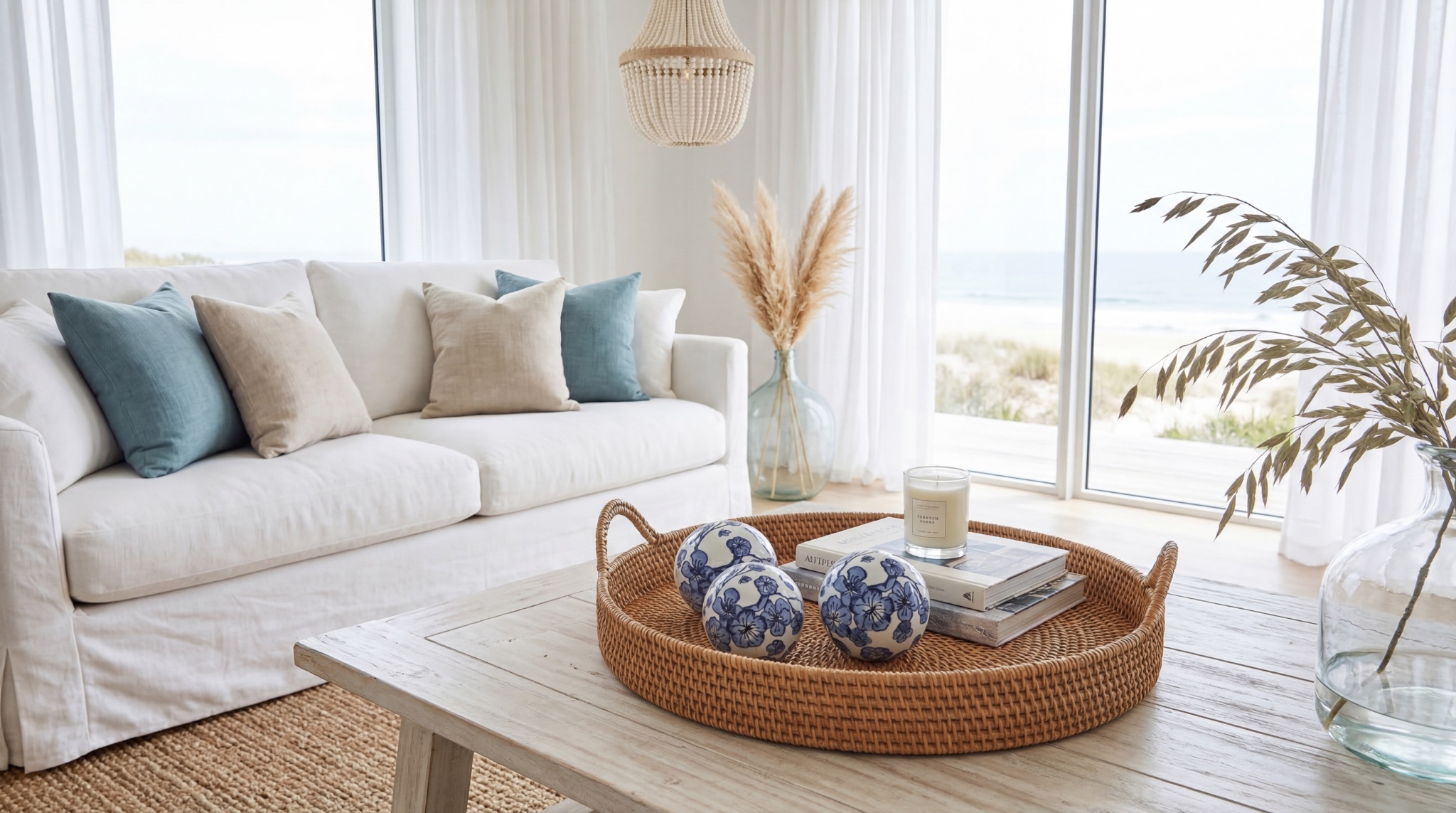
Your style won't arrive in a single afternoon. It builds through observation, experimenting with different interior decorating styles, and trusting what genuinely feels right to you.
The spaces that resonate most aren't the ones that follow a rulebook. They're the ones that reflect the people living in them.
Use this home decor styles guide as your starting point, then bring that vision to life with Sagebrook Home's collections. Visit our showrooms and events to see how the right pieces come together in person.
Frequently Asked Questions
How do I figure out how to find my home decor style quickly?
Save 30 to 50 room images, then look for repeating colors, materials, and textures. Compare those patterns against the major styles in this home decor styles guide. Your direction will become clear within an hour.
Can you mix two different home decor styles together?
Yes. Choose one dominant style for your furniture foundation, then layer in a secondary influence through accents and textiles. Keeping your color palette unified is how to choose a home decor style that feels intentional rather than scattered.
What is the easiest way to find your interior design style on a budget?
Start with what you own. Rearrange furniture, swap accessories between rooms, and invest selectively in a few high-impact pieces like decorative vases or wall art that align with your direction.
How often should you update your home decor style?
Your core style can stay consistent for years. Refresh seasonally by swapping smaller accessories, updating textiles, or introducing a new accent color. This keeps rooms current without a complete overhaul.
What are the most popular interior decorating styles right now?
Modern, Scandinavian, farmhouse, and contemporary remain popular in 2026. Emerging trends include romantic minimalism and biophilic design, which blends natural materials, organic textures, and indoor greenery into calming spaces.